
Rainy weather does not always mean skipping outdoor activities. Many dogs still need regular opportunities to walk, explore, and relieve themselves, even when the ground is wet.
However, rain introduces extra considerations. Wet fur, muddy paws, slippery surfaces, and reduced visibility can make an ordinary walk more challenging. Preparing a few practical supplies can help you manage these conditions while paying attention to your dog’s comfort.
Pets Store Galore offers weather-related pet accessories, including dog raincoats and protective boots. Before heading outdoors, learn how to choose suitable gear and establish a simple after-walk routine.
Decide Whether the Weather Is Suitable
Before leaving home, consider the intensity of the rain, temperature, wind, visibility, and your dog’s health.
Light rain may be manageable for some dogs, while thunderstorms, flooding, extreme cold, or other dangerous outdoor conditions may require postponing a walk.
Consider your dog’s coat, age, size, and individual tolerance. Puppies, senior dogs, and dogs with certain medical conditions may need additional precautions.
When conditions are unsafe, choose an indoor alternative such as gentle training, supervised play, or an appropriate enrichment activity.
Choose a Properly Fitted Dog Raincoat
A raincoat may help protect parts of your dog’s coat from getting wet, depending on its design and coverage.
Before buying one, check the manufacturer’s measurement guide and compare the recommended neck, chest, and body measurements with your dog’s size. A suitable coat should allow natural walking, turning, and toileting without rubbing or restricting movement.
After putting it on, observe your dog’s behavior. If they appear uncomfortable, freeze, repeatedly try to remove the coat, or move unnaturally, reassess the fit and whether the garment is appropriate.
Never leave a dog unattended while wearing clothing that could become caught on objects.
Consider Whether Protective Boots Are Necessary
Pet boots may help protect paws from certain outdoor surfaces, but not every dog needs them. When considering boots, look for an appropriate size, secure fastening, and a design that allows natural movement.
Introduce boots gradually indoors before attempting an outdoor walk. Check your dog’s paws frequently during use, and remove the boots if they cause rubbing, slipping, distress, or difficulty walking.
Even with boots, avoid contaminated puddles, sharp debris, and slippery areas. Pay attention to your dog’s comfort rather than assuming protective gear makes every surface safe.
Improve Visibility on Dark or Rainy Days
Rain and poor lighting can make it more difficult for drivers and other pedestrians to see you and your dog. Choose a safe walking route with good visibility and avoid roads with poor pedestrian access.
Reflective harnesses, collars, or other visibility accessories may help make your dog easier to notice. Use a leash and walking equipment appropriate for your dog, and maintain control around traffic.
Reflective materials work when light shines on them, so they should not be treated as a substitute for adequate lighting or safe route choices.
Prepare an After-Walk Cleaning Station
A little preparation can make returning home much easier. Keep a towel near the entrance, along with a suitable place to clean muddy paws and store wet equipment.
After a walk, gently wipe your dog’s paws and lower legs, checking between the toes for mud, small stones, or irritation. Dry wet fur with a clean towel and inspect the coat and skin for discomfort or unusual changes.
Clean and dry raincoats, boots, and leashes according to their care instructions. Avoid using excessive heat to dry your dog. If you notice persistent limping, pain, skin irritation, or other concerning symptoms, seek veterinary advice.
Keep Indoor Enrichment Ready
Some days are simply too wet or unsafe for a long walk. Preparing alternatives can help your dog stay engaged when outdoor time is limited.
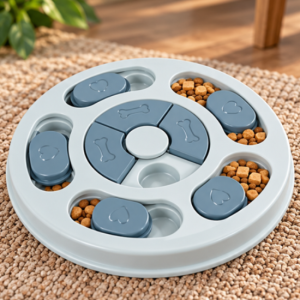
Try short training sessions, supervised puzzle feeders, gentle indoor games, or simple scent activities. Adjust each activity to the available space and your dog’s energy level.
Rotate toys to keep activities interesting, and avoid games that could lead to slipping on smooth floors.
Know When to Head Home
Watch for signs that your dog is becoming cold, tired, anxious, or uncomfortable. Shivering, repeatedly lifting paws, refusing to continue, or attempting to return home may indicate that the outing should end.
Prioritize your dog’s condition over completing a planned distance. A shorter, comfortable walk is preferable to forcing an uncomfortable outing.
Prepare for Your Next Wet-Weather Walk
With suitable gear and a simple cleaning routine, rainy-day outings can be easier to manage. Visit Pets Store Galore to explore dog raincoats, protective boots, harnesses, and walking essentials.



0 Comments