
A pet bed is more than a decorative accessory. It provides a designated place for your companion to rest, relax, and settle down after everyday activities.
With so many designs available, choosing the right one can feel overwhelming. Bolster beds, plush cushions, sofa-style beds, and waterproof options all have different features to consider.
Pets Store Galore offers a range of pet bedding options to suit different preferences and household setups. By focusing on comfort, size, materials, maintenance, and your pet’s individual habits, you can make a more informed decision.
Start With the Right Size
A bed should provide enough space for your pet to rest in their preferred position. Observe whether your dog or cat tends to stretch out, curl up, or rest with its head elevated.
Measure your pet while they are lying comfortably, then compare those measurements with the manufacturer’s sizing guide. Do not rely on breed names alone, as pets of the same breed can vary significantly in size.
For growing puppies, consider their expected growth while still ensuring the bed is comfortable and appropriate for their current size.
Choose a Shape That Matches Sleeping Habits
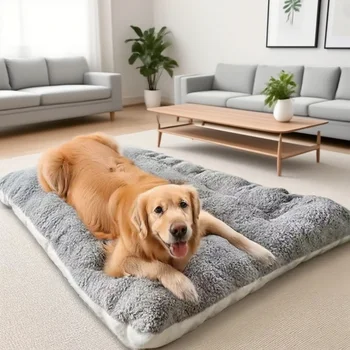
Different bed designs may appeal to different pets. Flat cushions offer an open resting surface for animals that like to stretch out, while bolster beds have raised edges that may appeal to pets that enjoy resting their heads against something or curling up.
Sofa-style beds provide a more structured resting surface and can suit certain household arrangements. Covered pet houses may appeal to animals that prefer a more sheltered space.
Observe your companion rather than assuming that one style is universally better. If your pet avoids a new bed, reconsider its location, size, temperature, and design before deciding that the bed itself is unsuitable.
Consider Materials and Filling
The materials used in a pet bed influence its texture, maintenance, and durability. Plush fabrics may feel soft, while other surfaces may be easier to wipe clean. Some beds have removable covers, and others require different cleaning methods.
Check the product description to understand the materials, care requirements, and intended use. If your pet sheds heavily, gets muddy frequently, or has occasional accidents, a washable design may be practical.
Avoid beds with damaged seams, exposed filling, loose decorative components, or materials that your pet could easily chew and swallow. Inspect the bed regularly and replace it when it can no longer provide a clean, safe resting surface.
Think About Cleaning and Maintenance
Pet beds collect loose fur, dirt, and everyday debris. Before purchasing, check whether the cover can be removed and whether the bed can be washed according to the manufacturer’s instructions.
A waterproof layer may help with certain spills or accidents, depending on the product’s construction. However, waterproofing does not eliminate the need for regular cleaning.
Inspect the bed periodically for odors, flattened filling, torn fabric, or other damage. Choose a cleaning schedule based on your pet’s shedding, outdoor activities, and individual needs.
Consider Support and Accessibility
Your pet’s age, mobility, and health may influence which bed is appropriate. Older pets or animals with mobility concerns may benefit from a bed that is easy to enter and exit. Pets that prefer firmer or softer surfaces may also have different requirements.
Do not assume that a thicker or more expensive bed automatically offers better support. If your pet has arthritis, chronic pain, mobility difficulties, or another medical condition, ask your veterinarian for guidance on suitable bedding.
Match the Bed to Your Living Space
A practical pet bed should fit comfortably into your home without blocking walkways or creating a hazard. Choose a location that is relatively quiet, comfortable, and accessible to your pet.
Consider whether the bed will be used indoors, outdoors, or in a specific room. Products intended for indoor use may not be suitable for outdoor weather exposure.
For households with multiple pets, make sure each animal has access to a comfortable resting space and can move away from other animals when needed.
Know When to Replace an Old Bed
Even a well-maintained bed will eventually wear out. Look for torn fabric, exposed filling, broken zippers, persistent odors, or damaged structures. These problems can affect cleanliness and create hazards if your pet chews or swallows loose materials.
Replace the bed when it can no longer provide a clean and suitable resting surface. Choosing a replacement based on your pet’s current habits and needs can help ensure it remains useful over time.
Find a Resting Spot Your Pet Can Enjoy
Choosing a pet bed starts with understanding your companion’s habits and comfort needs. Visit Pets Store Galore to explore plush pet beds, bolster designs, sofa-style beds, and practical bedding options.




0 Comments